Certified Less Cargo Consolidation: Pre-Shipment Inspection
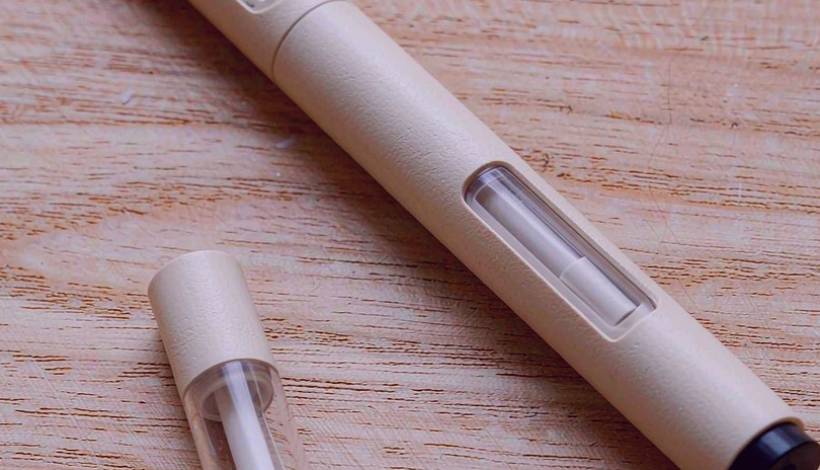
This guide to Less Container Load Vape Cargo Consolidation is written for convenience stores who need repeatable supply rather than a one-off purchase. It focuses on the decisions that change your landed cost and your shelf availability, and skips the parts that do not.
Quality Control Steps That Catch Problems Early
Agree the acceptable defect threshold for Less Container Load Vape Cargo Consolidation in writing before production. Without a number, every inspection becomes a negotiation, and the negotiation always happens when you have the least leverage.
The most useful QC report for Less Container Load Vape Cargo Consolidation is a boring one: carton count, defect rate by category, photographs of the packing method, and a clear pass or fail. Narrative reports that hedge are far less useful than a simple count you can hold someone to.
Minimum Order Quantities and Carton Planning
MOQ on Less Container Load Vape Cargo Consolidation is usually set by whatever makes a production run efficient, not by any fixed rule. If your requirement is below the standard minimum, ask whether a mixed carton or a shared production slot is possible instead of accepting a large surplus you cannot sell through.
Carton planning decides whether Less Container Load Vape Cargo Consolidation arrives in a condition you can sell. Under-filled cartons deform in transit; over-filled ones split at the seams. Aim for a fill that leaves the carton rigid without compressing the product, and check the stacking height against your pallet pattern.
Plan Less Container Load Vape Cargo Consolidation cartons around how the goods will actually be handled: how many times they are transferred, what the last leg looks like, and whether the carton will be opened for inspection. Those answers matter more to damage rates than the carton grade on paper.

Specifications Worth Checking Before You Order
Write the specification for Less Container Load Vape Cargo Consolidation the way a warehouse would check it: what can be counted, weighed or measured in five minutes. That phrasing survives the jump from sales team to production line far better than adjectives do.
Three specification lines cause most disputes on Less Container Load Vape Cargo Consolidation orders: capacity tolerance, material grade and finish consistency. Ask for measured values rather than nominal ones, and request photographs of the actual production batch instead of a catalogue render. It takes an extra day and removes most of the risk.
What Less Container Load Vape Cargo Consolidation Actually Covers
Before comparing prices, it helps to agree on what counts as Less Container Load Vape Cargo Consolidation. In day-to-day trade the term covers a fairly wide band of products, and two suppliers can quote very different things under the same label. Ask for a specification sheet that lists materials, dimensions and what is included in each unit, then compare that against what actually arrives in the carton.
The phrase Less Container Load Vape Cargo Consolidation gets used loosely in export enquiries, which is why quotations sometimes look impossible to compare. One factory may price a bare unit while another includes retail packaging, labelling and a master carton. Getting the scope written down first saves a round of emails and, more importantly, stops you from discovering the difference after the goods land.
Scope is the first thing to pin down with Less Container Load Vape Cargo Consolidation. Hardware, consumables and packaging are often bundled differently depending on the factory, so a low unit price can quietly hide a higher landed cost. A one-page specification agreed before sampling removes most of that ambiguity.
| Order Stage | Working Days | What Happens |
|---|---|---|
| Specification sign-off | 3 working days | Confirms tolerances and materials |
| Sampling | 8–12 working days | Production units, not showroom pieces |
| Production | 12 working days | Scheduled against your slot |
| Inspection and packing | 3 working days | Photographs included in the report |
Common Mistakes Buyers Make
Skipping the carton check is a close second. Packaging failures on Less Container Load Vape Cargo Consolidation shipments rarely show up as a visible defect; they show up as scuffed retail units that will not sell at full price. Open a few cartons at random before signing off.
The most expensive mistake with Less Container Load Vape Cargo Consolidation is ordering the full quantity before evaluating a sample. Production samples, not showroom units, are what you will receive. Run the sample through the handling it will actually face and only then commit.
Choosing Between Air, Sea and Express
Ask your forwarder for the all-in door-to-door figure for Less Container Load Vape Cargo Consolidation rather than the port-to-port rate. The difference between the two numbers is usually where freight budgets quietly disappear.
Sea freight suits planned Less Container Load Vape Cargo Consolidation volume, air suits genuine urgency, and express suits samples and small top-ups. Matching the mode to the reason, rather than to the deadline panic, is what keeps freight spend proportionate.
For Less Container Load Vape Cargo Consolidation, the break-even between air and sea is mostly about how long your cash is tied up and how quickly the stock turns. Fast-moving lines can justify air; slow ones almost never can.
Storage, Handling and Shelf Life
Less Container Load Vape Cargo Consolidation degrades in predictable ways: heat, light and time. Store in a cool, dry place away from direct sunlight and rotate stock by production date. Those two habits prevent most of the quality complaints that get blamed on the factory.
Warehouse conditions matter more for Less Container Load Vape Cargo Consolidation than most buyers assume. A few degrees of temperature difference over a summer changes how the product presents on the shelf. If you are storing through a hot season, plan for it rather than discovering it in returns.
- Keep a reorder calendar instead of reacting to stockouts
- Request the full document set during production
- Confirm labelling rules for the destination at order time
- Agree the specification in writing before sampling Less Container Load Vape Cargo Consolidation
- Book inspection while there is still time to rework
Every Less Container Load Vape Cargo Consolidation order starts the same way here — a short conversation about volume, market and timing. If the fit is right we will quote; if it is not, we will say so and point you somewhere better.
Frequently asked questions
Can different variants of Less Container Load Vape Cargo Consolidation be mixed in one carton?
Mixed cartons are usually possible and are a good option when you are testing a range or working below a per-variant minimum. There is normally a small packing surcharge, which we will show on the quotation.
Can Less Container Load Vape Cargo Consolidation be shipped directly to my retail locations?
Direct-to-store is possible in many markets, though consolidation at a single warehouse is usually cheaper and easier to reconcile. We can quote both so you can compare.
Do you ship Less Container Load Vape Cargo Consolidation worldwide?
We ship to most markets by sea, air and express. Where a destination has specific restrictions we will flag them before you order rather than after the goods are in transit.
Can I get Less Container Load Vape Cargo Consolidation with my own branding?
Yes — private label is available on most Less Container Load Vape Cargo Consolidation lines. The usual options are printed logos, custom colourways and bespoke outer packaging. Each carries a different setup cost and minimum, which we list separately in the quotation.
How is Less Container Load Vape Cargo Consolidation packed for export?
Packing depends on the product and route, but the principle is the same: inner protection, a rigid master carton and a pallet pattern that survives handling. We can send photographs of the packing method before dispatch.
Related reading
Talk to us about less container load vape cargo consolidation bulk
Send us your target quantity, destination and timing. We answer with real options and a landed cost you can compare — normally within one working day.