Container-Load Less Cargo Consolidation: OEM and Private Label Choices
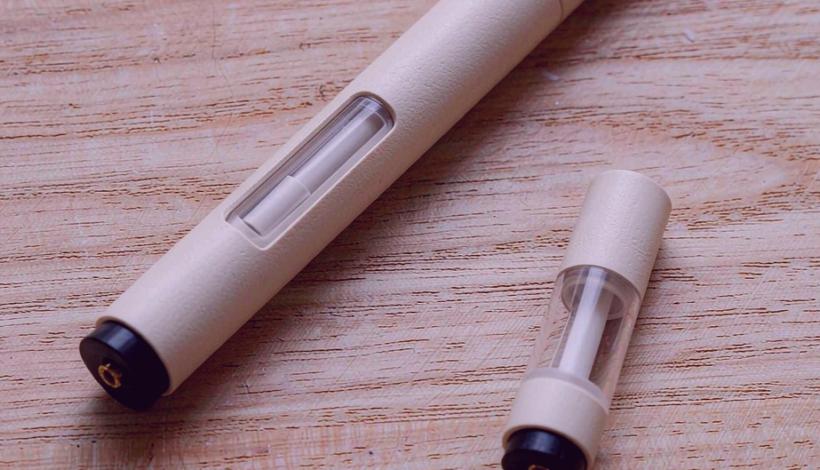
retail chains ordering Less Container Load Vape Cargo Consolidation usually care about three things — consistency, timing and margin. Everything below is organised around protecting those three, in roughly the order they come up during a real order.
Who Buys Less Container Load Vape Cargo Consolidation and Why
Demand for Less Container Load Vape Cargo Consolidation rarely comes from a single customer type. Some retail chains want steady replacement stock, others want something seasonal they can merchandise for six weeks. Those two buying patterns need different carton sizes and different delivery windows, so it is worth separating them when you plan.
The buyers behind Less Container Load Vape Cargo Consolidation orders are usually pragmatic. They care about whether the product sells through, whether it arrives intact, and whether the next shipment will match the last one. Everything else is secondary, which is why consistency beats novelty in most reorder conversations.
Trends Shaping Less Container Load Vape Cargo Consolidation This Year
The direction of travel for Less Container Load Vape Cargo Consolidation is towards fewer, better-documented products rather than an ever-wider catalogue. Suppliers who can provide consistent documentation are winning orders that used to go purely on price.
Three things are shaping Less Container Load Vape Cargo Consolidation in 2026: tighter compliance expectations, shorter product cycles, and buyers who want smaller, more frequent shipments. None of these are dramatic, but together they change what a good supplier looks like.
2026 has been a year of consolidation for Less Container Load Vape Cargo Consolidation. Buyers are trimming ranges and concentrating volume with suppliers who deliver consistently, which favours preparation over improvisation.

Risk Management for Large Shipments
Concentrate risk deliberately. Splitting a very large Less Container Load Vape Cargo Consolidation order across two production slots costs a little more but protects you against a single bad batch wiping out a season's margin.
Insurance on Less Container Load Vape Cargo Consolidation shipments is inexpensive relative to the exposure, particularly for sea freight where transit is long and handling points are numerous. Confirm what the policy covers and what it excludes before you rely on it.
Margin Maths for Retailers
A useful exercise with Less Container Load Vape Cargo Consolidation: calculate what a 10 percent improvement in landed cost does to annual profit, and compare that with what a 10 percent price increase does. The first is usually easier and does not risk volume.
Retailers who track Less Container Load Vape Cargo Consolidation by margin per shelf metre rather than margin per unit consistently make better range decisions. The product that earns slightly less per unit but turns twice as fast is usually the better use of the space.
Margin on Less Container Load Vape Cargo Consolidation is decided at the purchase stage. Landed cost per sellable unit, not unit price, is the number that matters — and it includes freight, duty, shrinkage and the small percentage that never sells at full price.
| Cost Component | Share of Landed Cost | Notes |
|---|---|---|
| Product cost | 10% of landed cost | Moves with volume and specification |
| Packaging | 7% of landed cost | Higher for retail-ready formats |
| Freight and handling | 2% of landed cost | Route and season dependent |
| Duty and clearance | Destination specific | Follows from classification |
After-Sales, Warranty and Spare Parts
Spare parts availability is easy to overlook on Less Container Load Vape Cargo Consolidation and painful to discover later. Ask which components are stocked, how long they are supported, and what the minimum order is for a parts-only shipment.
Clarify what happens after Less Container Load Vape Cargo Consolidation arrives. A written agreement on how defects are credited, how quickly claims are settled, and who pays for return freight is worth more than a friendly promise made during negotiation.
Pricing Structure and Where The Money Goes
Unit price is only part of what Less Container Load Vape Cargo Consolidation costs you. Tooling, labelling, carton packing, inland haulage, port charges and payment fees all sit on top. A quotation that looks 10 percent cheaper can reverse once those lines are added, so compare landed cost, not the headline number.
Price breaks on Less Container Load Vape Cargo Consolidation usually step at carton, pallet and container levels rather than sliding smoothly. Knowing where those steps sit tells you whether adding another 2 units actually improves your margin or just ties up cash in the warehouse.
Most surprises in Less Container Load Vape Cargo Consolidation pricing hide in the lines nobody quotes: artwork setup, carton printing plates, extra colourways, and the difference between ex-works and delivered terms. Ask for the quotation split into product, packaging and logistics and the comparison becomes straightforward.
Common Mistakes Buyers Make
Skipping the carton check is a close second. Packaging failures on Less Container Load Vape Cargo Consolidation shipments rarely show up as a visible defect; they show up as scuffed retail units that will not sell at full price. Open a few cartons at random before signing off.
The third mistake is treating the first order as the final specification. Less Container Load Vape Cargo Consolidation improves once you feed back what the market did with it. Buyers who treat the first shipment as a test and the second as the real order usually end up with better margins.
- Request the full document set during production
- Keep a reorder calendar instead of reacting to stockouts
- Plan cartons around real handling, not catalogue photos
- Book inspection while there is still time to rework
- Confirm labelling rules for the destination at order time
Whether you need a single carton to test or a container to fill a season, the process for Less Container Load Vape Cargo Consolidation is the same. Reach out with your requirements and we will respond with specifics rather than a brochure.
Frequently asked questions
What payment terms are available for Less Container Load Vape Cargo Consolidation?
Standard terms are a deposit with the balance before shipment, with alternatives available for established accounts on scheduled programmes. We will outline what is possible once we understand the size and frequency of your orders.
Do you provide samples of Less Container Load Vape Cargo Consolidation before a bulk order?
Samples are available and we recommend them. A small batch rather than a single unit gives a truer picture of production consistency, and the sample cost is normally credited against a confirmed order.
Are there compliance requirements I should know about for Less Container Load Vape Cargo Consolidation?
Requirements vary by destination and they change. We confirm the current position for your market at the point of order and supply the documentation that supports it, but the importer of record remains responsible for local compliance.
What is the best way to start a Less Container Load Vape Cargo Consolidation enquiry?
The most useful starting message is short: product, approximate quantity, destination and target timing. With those four pieces of information we can usually respond with real options the same working day.
How long does a Less Container Load Vape Cargo Consolidation order take to arrive?
Production for Less Container Load Vape Cargo Consolidation commonly runs two to four weeks depending on specification and packaging, with transit added on top. Sea freight adds several weeks, air considerably less. We quote a realistic window rather than a best case.
Related reading
Talk to us about less container load vape cargo consolidation bulk
Send us your target quantity, destination and timing. We answer with real options and a landed cost you can compare — normally within one working day.