Wholesale Less Cargo Consolidation: Reorder Cycles for Retail Chains
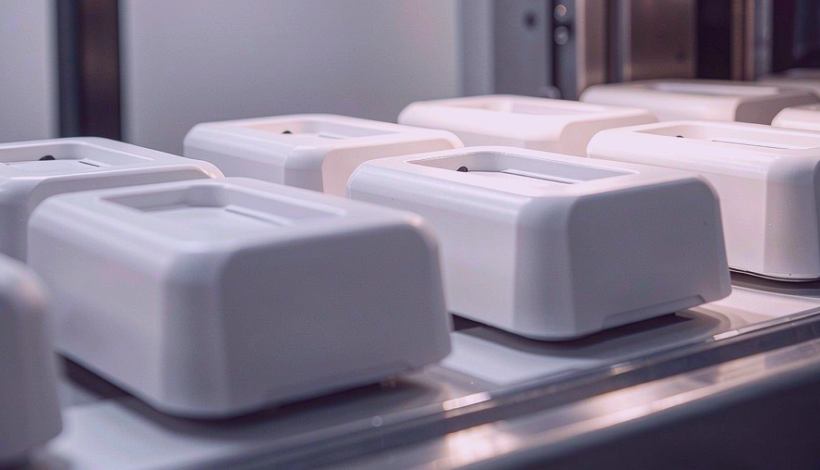
Whether you are replenishing an existing line or evaluating Less Container Load Vape Cargo Consolidation for the first time, the same fundamentals apply: know the specification, know the landed cost, and know who is accountable if something is wrong.
Negotiation Levers That Actually Work
Volume commitments, predictable scheduling and fast payment are the three levers that genuinely move Less Container Load Vape Cargo Consolidation pricing. Asking for a discount without offering any of them rarely gets you further than the published price list.
Decide before you negotiate what you actually want from Less Container Load Vape Cargo Consolidation — a lower unit price, better payment terms, or priority production. Chasing all three at once usually means getting none of them.
Shipping Routes, Transit Time and Freight Options
Freight quotes for Less Container Load Vape Cargo Consolidation move with fuel surcharges, currency and space availability. Ask whether the rate is fixed for a period or spot-quoted per shipment, because that single detail determines how predictable your landed cost will be over a year.
Transit time for Less Container Load Vape Cargo Consolidation depends far more on the route and the season than on the distance. Peak periods add days at both ends, and consolidations add handling. Build the realistic window into your reorder point rather than the best case the forwarder quotes.
Choosing between sea, air and express for Less Container Load Vape Cargo Consolidation is a margin question, not a speed question. Sea freight protects unit economics on planned volume; air rescue shipments protect shelf availability. Most importers end up using both, and planning for that is cheaper than improvising.

Sample Orders and Evaluation Checklist
Order 12 samples of Less Container Load Vape Cargo Consolidation rather than one. Single units are hand-picked; a small batch shows you what the production line actually produces, and that is what you are about to buy in volume.
Evaluate Less Container Load Vape Cargo Consolidation samples the way your customer will use them, not the way they look on a desk. Check the packaging after a short transit, check the finish under retail lighting, and check consistency across several units rather than one.
Packaging, Labelling and Shelf Readiness
Shelf presentation is where Less Container Load Vape Cargo Consolidation either sells or sits. Carton dimensions, facing count and how quickly a shopper can read the flavour all affect turnover. If the packaging only works in a warehouse, you have pushed that cost onto the retailer.
Labelling rules move, and Less Container Load Vape Cargo Consolidation is no exception. Build a habit of confirming the current requirement for each destination at the point of order rather than reusing last year's artwork file. The cost of a reprint is small; the cost of a detained shipment is not.
Retail-ready packaging changes the economics of Less Container Load Vape Cargo Consolidation more than most buyers expect. Barcodes, language variants and warning statements vary by destination, and fixing them after production means relabelling by hand. Confirm the artwork requirements for your market before the run starts.
| Check Point | Method | Acceptance Criteria |
|---|---|---|
| Carton count | Physical count | Must match the packing list exactly |
| Appearance | Random sampling | Defect rate below the agreed threshold |
| Function check | Sampled units | Consistent with the approved sample |
| Packaging integrity | Drop and seal check | No deformation at arrival |
After-Sales, Warranty and Spare Parts
Set the claim window for Less Container Load Vape Cargo Consolidation in writing — how many days after arrival you can report an issue and what evidence is needed. Clear terms on both sides make the rare dispute quick to resolve.
Spare parts availability is easy to overlook on Less Container Load Vape Cargo Consolidation and painful to discover later. Ask which components are stocked, how long they are supported, and what the minimum order is for a parts-only shipment.
Minimum Order Quantities and Carton Planning
Plan Less Container Load Vape Cargo Consolidation cartons around how the goods will actually be handled: how many times they are transferred, what the last leg looks like, and whether the carton will be opened for inspection. Those answers matter more to damage rates than the carton grade on paper.
MOQ on Less Container Load Vape Cargo Consolidation is usually set by whatever makes a production run efficient, not by any fixed rule. If your requirement is below the standard minimum, ask whether a mixed carton or a shared production slot is possible instead of accepting a large surplus you cannot sell through.
Carton planning decides whether Less Container Load Vape Cargo Consolidation arrives in a condition you can sell. Under-filled cartons deform in transit; over-filled ones split at the seams. Aim for a fill that leaves the carton rigid without compressing the product, and check the stacking height against your pallet pattern.
Who Buys Less Container Load Vape Cargo Consolidation and Why
The buyers behind Less Container Load Vape Cargo Consolidation orders are usually pragmatic. They care about whether the product sells through, whether it arrives intact, and whether the next shipment will match the last one. Everything else is secondary, which is why consistency beats novelty in most reorder conversations.
distributors tend to reorder Less Container Load Vape Cargo Consolidation on a rhythm rather than in one large batch. That rhythm is driven by shelf turnover, seasonal footfall and how quickly a flavour or format goes stale in the local market. Understanding who your end buyer is makes the reorder maths much easier.
- Treat the first shipment as a test and the second as the real order
- Ask which components are stocked as spares
- Split very large Less Container Load Vape Cargo Consolidation orders across production slots
- Request the full document set during production
- Keep a reorder calendar instead of reacting to stockouts
We keep the ordering process for Less Container Load Vape Cargo Consolidation deliberately simple: agree the specification, approve a sample, confirm the carton plan, then ship. If that sounds like the way you prefer to work, get in touch with your requirements.
Frequently asked questions
Do you provide samples of Less Container Load Vape Cargo Consolidation before a bulk order?
Samples are available and we recommend them. A small batch rather than a single unit gives a truer picture of production consistency, and the sample cost is normally credited against a confirmed order.
How is Less Container Load Vape Cargo Consolidation packed for export?
Packing depends on the product and route, but the principle is the same: inner protection, a rigid master carton and a pallet pattern that survives handling. We can send photographs of the packing method before dispatch.
How long does a Less Container Load Vape Cargo Consolidation order take to arrive?
Production for Less Container Load Vape Cargo Consolidation commonly runs two to four weeks depending on specification and packaging, with transit added on top. Sea freight adds several weeks, air considerably less. We quote a realistic window rather than a best case.
Can you handle repeat or scheduled Less Container Load Vape Cargo Consolidation orders?
Yes, and it suits both sides. A scheduled cycle lets us reserve production capacity, which shortens lead times and makes pricing more stable than ad-hoc ordering.
What happens if a Less Container Load Vape Cargo Consolidation shipment arrives damaged?
Report it within the agreed window with photographs and carton references and we will work through a credit or replacement. This is much faster when an inspection report exists, which is why we recommend one for larger orders.
Related reading
Talk to us about less container load vape cargo consolidation bulk
Send us your target quantity, destination and timing. We answer with real options and a landed cost you can compare — normally within one working day.